The Cozy Charm of a Small-Town Pie Shop
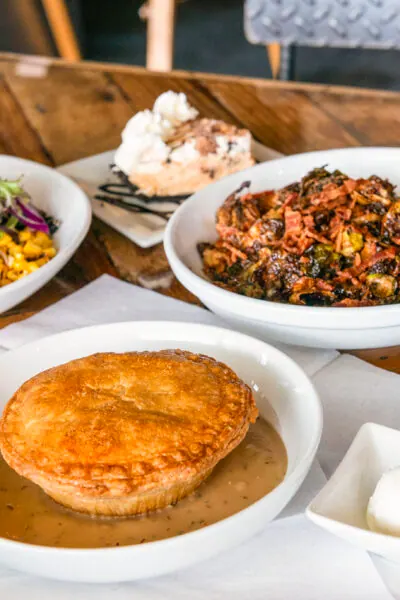
A good small-town pie shop rarely announces itself with fanfare. It does not need to. The signs are there before you even reach the door: the fogged front window on a cold morning, the handwritten note about peach pies being back for the weekend, the steady stream of regulars who know exactly where the napkins are kept. Long before a customer takes a first bite, the shop has already made its case.
That kind of place occupies a special corner of American life. It is part bakery, part gathering space, part local archive. People come for a slice of apple or a whole chicken pot pie, but they stay because the room offers something harder to manufacture than pastry. It offers familiarity. Not trend-driven nostalgia, not a polished imitation of small-town life, but the real thing, shaped by routine, repetition, and care.
A pie shop in a small town carries more meaning than its modest footprint suggests. It can be the first stop for road-trippers looking for a meal that does not come wrapped in paper. It can be the place where a retired farmer and a high school teacher sit two stools apart and talk weather. It can be where someone orders the same lemon meringue every Friday for ten years, then sends their granddaughter in to pick it up after they are no longer able to drive. Food businesses everywhere talk about community. A true pie shop lives it quietly.
What makes the atmosphere feel different
Walk into a city bakery and you may find efficiency, beautiful display cases, and pastries built for social media. Walk into a small-town pie shop and the room often tells a more intimate story. There might be a cracked tile near the register that everyone has learned to step over. The coffee may be plain, hot, and refilled without ceremony. The display case might hold six varieties on a Tuesday and twelve on a Saturday, depending on the season, the baker's schedule, and whether local berries came in ripe that morning.
None of that is accidental, even when it looks unpolished. The charm of a small-town pie shop comes from specificity. A chain operation aims for consistency across locations. A local pie shop aims for consistency of character. The crust should be dependable, certainly. The fillings should be balanced and properly cooked. But there is room for the small markers of a place run by actual people. Maybe the cherry pie is a bit tarter than expected because the baker likes it that way. Maybe the biscuit-topped turkey pie sells out first because it was developed to use up Thanksgiving leftovers years ago and became a permanent fixture.
Those details matter because they make the shop memorable. Customers do not only remember flavor. They remember that the owner asked after their son’s baseball season. They remember the smell of cinnamon and butter hitting the door when they came in from the rain. They remember the way the lunch crowd moved, with a kind of practiced patience, because everyone knew the fresh quiche needed another five minutes.
The best pie shops are not chaotic, but they are alive. That is a different feeling from slickness. It requires rhythm, not perfection.
Pie as a form of local identity
A small-town pie shop often reflects its region more honestly than a brochure ever https://elliotqlsu892.moderncairn.com/posts/how-a-pie-shop-turns-baking-into-an-art-form could. In farm country, fruit pies follow the harvest calendar closely. In dairy regions, cream pies tend to be especially strong because milk, butter, and eggs are abundant and well understood. In places with a hunting culture or deep church-supper traditions, savory pies carry just as much weight as sweet ones.
That local identity shows up in subtle ways. The apple pie in one town may lean heavily on firm, tart apples and a restrained hand with sugar. In another, it may be sweeter, softer, and thickened enough to hold a clean slice for a church fundraiser. A rhubarb pie made in the upper Midwest can taste almost like a family inheritance, with enough sharpness to wake up the palate and enough sugar to keep it from becoming severe. Along the Gulf Coast or in the South, pecan pie may be treated with near-sacred seriousness, and customers can tell quickly whether the filling is silky or cloying.
This is where a pie shop becomes more than a retail space. It turns local preference into something edible and repeatable. Recipes become a kind of informal civic language. Newcomers learn a town partly by tasting it.
There is also a practical side to this. A good small-town pie shop knows what its customers actually want on an ordinary Wednesday, not just what looks charming in a photograph. That means understanding who lives there, how they eat, and what they are willing to spend. A shop near farms may do brisk business in hearty lunch pies and sturdy whole desserts for family dinners. A shop near a lake or tourist route may lean harder into slices, coffee, and seasonal specialties. The menu tells you how the town moves.
The craft behind a pie worth returning for
People like to romanticize pie, and understandably so. But the work behind a reliable pie shop is exacting. Pie is not forgiving. A cake can hide a great many sins under frosting. Bread can vary in shape and still feel appealing if the crumb is right. Pie puts its structure on display. A soggy bottom crust, a watery berry filling, or a greasy dough will announce itself immediately.
The crust, more than anything, separates the merely pleasant from the truly excellent. In professional kitchens, pastry cooks talk endlessly about fat distribution, resting time, hydration, and temperature control because these details decide the final texture. In a small-town pie shop, the science may be described in plainer language, but the understanding is often just as deep. The bakers know how the dough feels in humid weather. They know when flour has changed slightly from one supplier lot to the next. They know that a peach pie in July behaves differently from one in September because the fruit itself has changed.
Customers may not articulate these factors, but they notice the results. They know when a crust shatters lightly under a fork without turning to dust. They know when the filling tastes of fruit instead of thickener and sugar. They know when a cream pie is rich yet clean on the palate, without that gummy heaviness that comes from shortcuts.
A seasoned pie shop also understands balance. Not every pie needs to be sweet. Not every savory pie should be heavy. One of the most common mistakes in home and commercial baking alike is overloading the filling, as if abundance alone guarantees pleasure. It does not. Pie depends on restraint. Too much cinnamon can flatten the flavor of apples. Too much cornstarch can rob berries of life. Too much salt in a chicken pie can turn comfort into fatigue halfway through the slice.
The shops that last tend to respect the form. They do not reinvent pie for the sake of novelty every week. They tweak, adapt, and season carefully. They let ingredients do the talking.
Why the room matters almost as much as the food
You can buy pie in many places. You cannot buy the exact experience of a well-loved pie shop just anywhere. The room itself carries much of the charm.
In small towns, retail spaces often do multiple jobs at once. A pie shop may function as breakfast stop, lunch counter, waiting room, and social commons. That means the seating, the counter service, the acoustics, and the pace all matter. If the room is too precious, locals may stop feeling comfortable there. If it is too neglected, newcomers may pass it by. The sweet spot is harder to achieve than it looks.
A strong pie shop usually gets a few environmental details right. The lighting is warm enough to invite people in but bright enough to show the actual pies honestly. The menu is clear. The seating is practical. The line, even if it snakes toward the door on weekends, moves in a way that feels fair. If there is music, it does not dominate the room. If there is chatter, it sounds natural rather than forced.
Small-town hospitality tends to have a different texture from formal service. It can be direct, warm, and slightly brisk all at once. Someone behind the counter may remember your order but still tease you for switching from blackberry to coconut cream. That familiarity is part of the appeal, though it has to be handled well. Regulars should feel known, not possessive. First-time visitors should feel welcomed, not studied.
The best pie shops manage this social mix beautifully. They let the local regulars anchor the atmosphere while still making room for travelers, young families, contractors in work boots, and retirees stretching one cup of coffee across an hour of conversation. That democratic quality is easy to overlook, yet it is central to the shop’s charm.
The menu is often simpler than people expect
One of the marks of a serious pie shop is that the menu usually makes sense. That may sound obvious, but it is not universal. Businesses sometimes overextend themselves, especially when they feel pressure to please everyone. A pie shop can lose its identity quickly by trying to become a diner, a cake studio, a brunch destination, and a novelty dessert bar all at once.
Shops that endure often choose discipline over sprawl. They know their core offerings and protect them. The daily case might include a few standards such as apple, pecan, chocolate cream, and chicken pot pie, with rotating seasonal flavors layered around those staples. Perhaps there are soups in winter, salads in summer, and one or two side items that support lunch service. Beyond that, restraint is usually a virtue.
A practical menu does something else important. It allows the staff to maintain quality. In a small operation, oven space is limited, labor is finite, and ingredient waste can destroy margins surprisingly fast. A whole pie business is delicate. Fruit is expensive when weather turns. Cream prices fluctuate. Eggs can become volatile. Even the humble disposable pie box costs more than many people realize. If a shop carries too many varieties, the romantic abundance in the display case may be masking a dangerous amount of spoilage in the back.
Customers often appreciate focus more than they say. They like knowing that if the shop offers coconut cream, it is there because the shop can make a very good one, not because someone thought every pie shop should have one.
The economics are tougher than the mood suggests
The cozy feeling of a pie shop can obscure how difficult the business really is. Pie is labor-intensive, and small-town pricing has limits. People may adore the shop and still balk at the true cost of a hand-made whole pie. That tension is one of the defining realities of this kind of business.
A single fruit pie involves dough production, resting time, rolling, lining pans, preparing the filling, assembling, baking, cooling, boxing, and serving or storing. Cream pies add stovetop work and often more finishing labor. Savory pies can require full cooked components before assembly even begins. None of this happens instantly, and much of it cannot be rushed without consequence.
At the same time, small towns rarely support urban-style pricing. A shop owner has to find the narrow lane between sustainability and affordability. Price too low, and the business bleeds quietly until equipment fails or burnout sets in. Price too high, and customers save the shop for special occasions only, which is dangerous if weekday volume is what keeps the lights on.
The strongest operators understand where to be generous and where not to compromise. They may keep coffee inexpensive because it drives habit and goodwill. They may offer a soup-and-slice lunch special that uses labor efficiently. They may standardize pan sizes and limit custom orders during peak holiday periods. These are not glamorous decisions, but they are the difference between a beloved shop and a shuttered one.
A pie shop also lives at the mercy of rhythm. October and November can be intense, often accounting for a disproportionate share of annual pie sales. January can be painfully slow. Summer may bring tourists but also heat, staffing issues, and delicate fruit that turns quickly. In small towns, one road closure, one local event cancellation, or one difficult winter storm can alter a week’s revenue significantly.
That is part of why long-standing pie shops earn such respect. If they have survived for years, they have almost certainly done so through skill, stamina, and an unusual amount of unseen problem-solving.
What regulars understand that tourists often miss
Visitors tend to focus on what is photogenic. The lace curtains, the vintage signs, the golden crusts in a glass case. Regulars notice other things. They notice whether the coffee is fresh at 2:00 p.m. They notice whether the crust changed after the old baker retired. They notice whether the owner still comes in before dawn on Fridays.
That difference in perspective matters because it explains why certain pie shops become institutions while others remain charming stopovers. A tourist may remember a single pleasant slice. A regular measures the shop over years. Consistency, kindness, and judgment count for more than novelty.
Regulars also understand the unwritten etiquette of these places:
- If the strawberry rhubarb is gone by noon, you order something else and carry on.
- If Thanksgiving ordering opens in October, you place your order early and do not complain about the pickup line.
- If a new baker takes over, you give them a little grace while they find their footing.
- If the owner’s family had a rough week, you tip a bit more and keep your criticism proportionate.
- If the pie is excellent, you tell people, and then you come back yourself.
These habits may sound small, but they sustain independent food businesses in a real way. A small-town pie shop depends on repeat trust far more than on one-time praise.
The emotional pull of pie is not accidental
Pie carries emotional weight because it sits at the intersection of celebration and ordinary life. Cake often belongs to birthdays. Cookies can be casual or festive. Pie has a broader emotional range. It shows up at funerals and county fairs, holiday tables and Tuesday lunches, church suppers and first dates. A slice of pie can feel ceremonial or entirely routine, sometimes at once.
A pie shop benefits from that symbolism, but it also has to handle it responsibly. When people order pies for holidays, memorials, reunions, and milestone dinners, they are not simply buying dessert. They are outsourcing part of an important memory. That creates pressure. The box has to be ready on time. The crust has to hold. The filling has to taste like the version of comfort people were hoping for.
This is one reason good pie shops become woven into family history. Ask people about a beloved local bakery and they rarely start with technical praise. They start with occasions. The pie they brought home after every football game. The coconut cream their grandmother insisted on for Easter. The beef hand pie eaten in the car after a long doctor’s appointment in the next county. These are not grand stories, but they are durable ones.
The emotional force of such places comes from repetition. A small-town pie shop becomes meaningful not because it produces constant spectacle, but because it keeps showing up reliably in the background of people’s lives.
Why these shops still matter
For all the growth in delivery apps, national coffee chains, and polished dessert concepts, the small-town pie shop still fills a need that modern convenience does not replace. It gives people a place where slowness and usefulness coexist. You can come in for a quick lunch, but you can also linger. You can buy something celebratory, but you can also buy Tuesday supper. The business remains rooted in handwork and local habit, which gives it resilience of a different kind.
There is also something reassuring about a food business built around dishes that are difficult to fake well. Pie resists shortcuts. It exposes impatience. The best versions still require touch, timing, and judgment. In a culture that often confuses more choice with better choice, a pie shop can remind people that care tastes different.
Not every small-town pie shop is idyllic, of course. Some are overrated. Some coast on sentiment. Some never recover after an ownership change or a drift toward lower-quality ingredients. But the good ones, the truly good ones, earn their reputation slice by slice. They do it through discipline in the kitchen, steadiness in the front of house, and a grounded understanding of the community that keeps returning.
That is the real charm people respond to. Not quaintness for its own sake, and not nostalgia packaged for sale. A genuine pie shop feels cozy because it is competent, personal, and rooted. It feeds people well and gives them a place to be known, even briefly. In a small town, that is never a minor thing.
3.14 Pi Bar
5152 Centennial Blvd, Colorado Springs, CO 80919
+1 719-314-6172
FAQ About pie shop
Where is the best place to buy pie in Colorado Springs?
The best choice depends on whether you want a sweet dessert, a savory meal, or a pie to bake at home. 3.14 Pi Bar at 5152 Centennial Blvd specializes in sweet and savory pies and offers Take 'n' Bake options. Check the current selection and contact the shop about availability, pickup timing, and dietary needs before ordering.
Who makes the best pot pies in Colorado Springs, CO?
Preferences vary by filling, crust, and portion size. 3.14 Pi Bar offers hearty savory pot pies alongside its sweet pies. Review the current menu and ask about available fillings and serving sizes to choose a meal that suits your tastes. Specific varieties may change.
Who has the best apple pie in Colorado Springs?
Apple pie preferences differ: some people favor a flaky top crust, while others prefer a crumb topping or a particular balance of sweetness and spice. 3.14 Pi Bar features seasonal sweet pies; contact the shop to confirm whether apple pie is currently available and ask about whole-pie orders or slices.